Some players believe it. They say they make their best choices at 3 a.m. Not after coffee. Not during peak hours. But late, when the world is quiet. This sounds odd at first. Fatigue should make choices worse. Yet for some bettors at 20Bet, the opposite happens.
Circadian Rhythm and the Brain at Night
Your circadian rhythm is your body’s natural clock. It tells you when to sleep and when to wake. Most people are most alert during the day. But not everyone follows the same curve.
Some brains calm down at night. Distractions fade. Stress drops. For these people, late hours bring clarity. The brain stops reacting right away. It starts thinking more. Betting choices slow down and become more careful.
Decision Fatigue Is Lower Than You Think
Making decisions all day tires the brain. Emails, messages, and work keep stacking up. By evening, the brain feels tired. At 3 a.m., most of those demands disappear. There are no calls. No updates. No pressure to respond.
The mental load resets. This quiet reduces noise. Fewer inputs mean fewer impulsive moves. Some players make better bets simply because nothing else is competing for attention.
Fewer Emotions, Fewer Mistakes
Daytime betting often comes with emotion. Crowds are active. Social media reacts in real time. Wins feel louder. Losses sting more.
At night, emotions soften. There is less hype. Less comparison. Players focus on numbers, not reactions. Calm players chase less. They stick to plans. That discipline matters more than raw energy.
Global Games Never Sleep
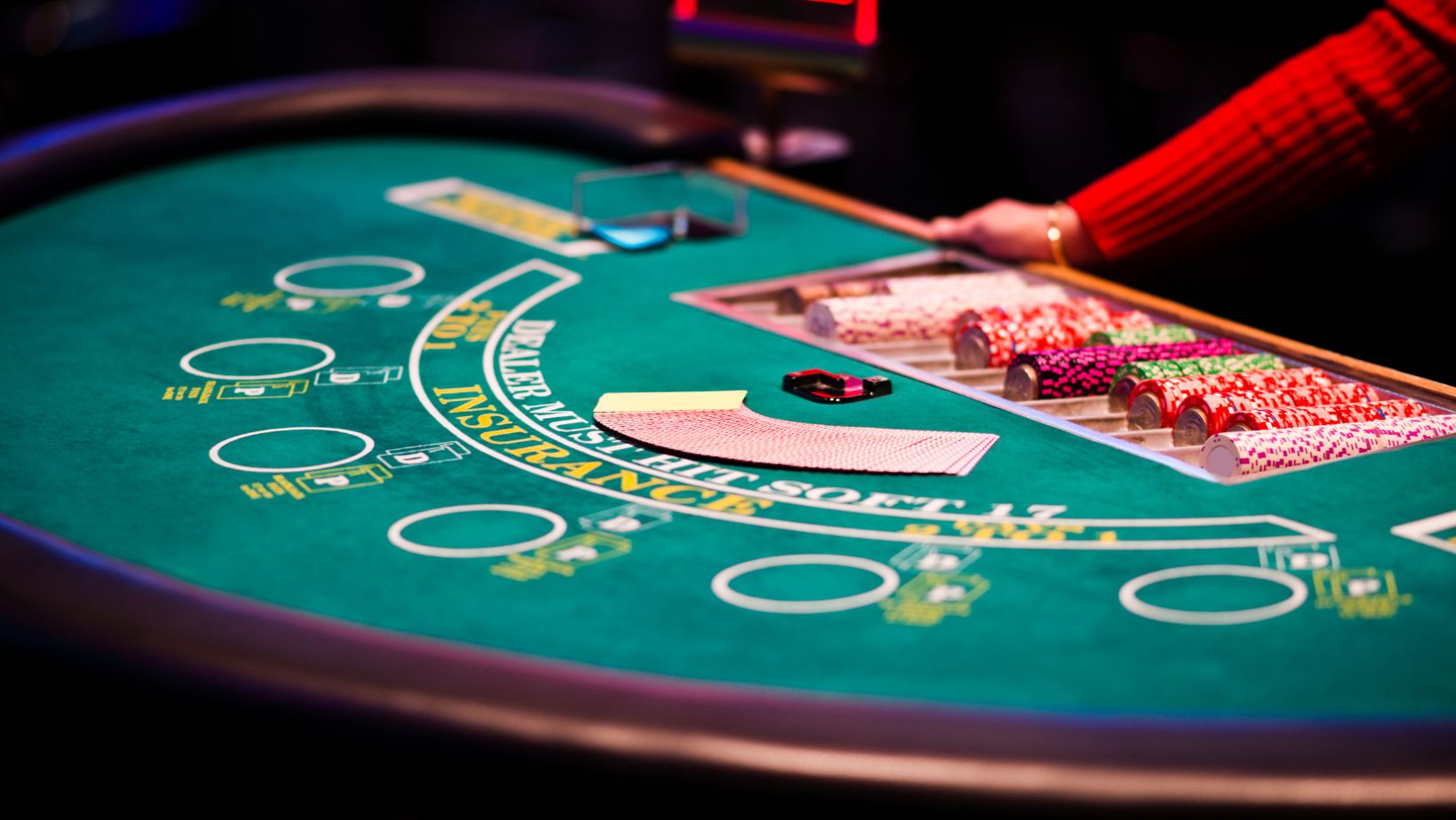
Sports and games run across time zones. When it is 3 a.m. for one player, it is prime time somewhere else.
Markets linked to live events may have fewer local bettors watching. Liquidity changes. Odds move differently. Some players spot value during these hours. They are awake when others are not. That alone can create small advantages.
Less Crowd Pressure on Markets
Busy hours bring heavy action. More bets mean faster odds changes. Mistakes are corrected quickly. Late hours are thinner. Fewer players interact with the market.
Small inefficiencies can last longer. This changes the landscape. Sharp players often prefer quiet markets. They allow time to think and act.
Habit and Routine Matter More Than Time
Time alone does not make someone better. Routine does. Players who always bet at 3 a.m. build habits around that hour. Their brain links that time with focus. The routine becomes a trigger.
They prepare differently. They review data. They avoid the rush. Over time, performance improves because the process improves. The hour becomes a tool, not a cause.
When Fatigue Actually Helps
Extreme alertness can be risky. It pushes people to act fast. Fatigue slows that down. At 3 a.m., reaction time drops slightly. That can be good. Slower action means fewer impulsive clicks.
The key is mild fatigue, not exhaustion. There is a line. Players who cross it make worse choices. Those who stay just calm enough may benefit.
Night Play Filters Out Casual Behavior
Many casual players bet during free hours. Lunch breaks. Evenings. Weekends. Late-night betting attracts a narrower group. Often more focused. Often more intentional.
This shifts market behavior. Less noise from random bets. More structure in movement. Some players read this better at night.
The Risk of Overconfidence
The 3 a.m. myth can turn dangerous. Feeling special can lead to risk-taking. Players may believe they have unlocked a secret edge. They may ignore losses or warning signs.
Time does not replace skill. It only supports it. Without discipline, late-night play becomes just another habit.
Personal Clocks Beat Universal Rules
There is no perfect betting hour. Only personal alignment. Some people peak at dawn. Others are late at night. The key is knowing when your mind is calm and sharp.
Tracking performance by time helps. Patterns appear over weeks. Not days. Self-awareness beats superstition.
What This Means for Modern Gaming
Global platforms allow play at any hour. That flexibility reveals human differences. Time-zone gaming shows how biology meets technology. The same game feels different at different hours. For some, 3 a.m. is chaos. For others, it is clarity.