The slot loads. Pixel art fills the grid. An 8-bit soundtrack starts looping — something that sounds like it belongs on a Super Nintendo cartridge from 1994. The symbols are cherries and sevens rendered in blocky, neon-edged graphics. A bonus round triggers, and it plays like a side-scrolling platformer from your childhood. You smile. You feel warm. You keep playing.
That warmth isn’t accidental. It’s engineered. Retro-themed slots are one of the most rapidly growing categories in online casino design, and their appeal has nothing to do with better odds, higher RTPs, or innovative mechanics. It has everything to do with exploiting a psychological phenomenon that makes you feel safe, comfortable, and emotionally open — exactly the state in which you’re least likely to make rational decisions about money.
The Psychology of Nostalgia as a Design Tool
Nostalgia isn’t just a pleasant feeling — it’s a measurable cognitive state with documented effects on decision-making. Research consistently shows that nostalgic experiences reduce risk perception, increase willingness to spend, and create a sense of social connectedness even when the person is alone. A 2025 Deloitte CMO report found that 70% of consumers say nostalgia makes brands feel more authentic. Nostalgic packaging produces an average 16% sales increase. TikTok nostalgia-related hashtags grew 130% year-over-year in 2025.
Slot developers understand these effects and deploy them deliberately. When a game wraps gambling mechanics in the sensory language of your childhood — pixel art, chiptune audio, loading screen transitions, level-based bonus structures — it’s not paying homage to the past. It’s using your emotional connection to that past to lower your guard. Browse the lobby at NV casino or any other operator and the retro titles stand out immediately — simpler, warmer, more inviting than the visually dense games surrounding them. That feeling of safety is the product.
How Retro Slots Are Built to Hook You
The design choices in retro-themed slots aren’t random aesthetic preferences — they’re targeted engagement strategies.
| Design element | What it references | What it actually does |
| Pixel art symbols | 1980s–90s console games | Triggers visual familiarity, lowers perceived complexity |
| Chiptune soundtrack | NES, SNES, Game Boy era | Creates emotional warmth through auditory memory |
| Level-based bonus rounds | Platformer and arcade games | Reframes gambling losses as “progress” toward a goal |
| Neon color palettes | Arcade cabinets, synthwave culture | Stimulates arousal and attention through high-contrast visuals |
| “Insert coin” mechanics | Arcade pay-per-play model | Normalizes repeated spending as part of the game ritual |
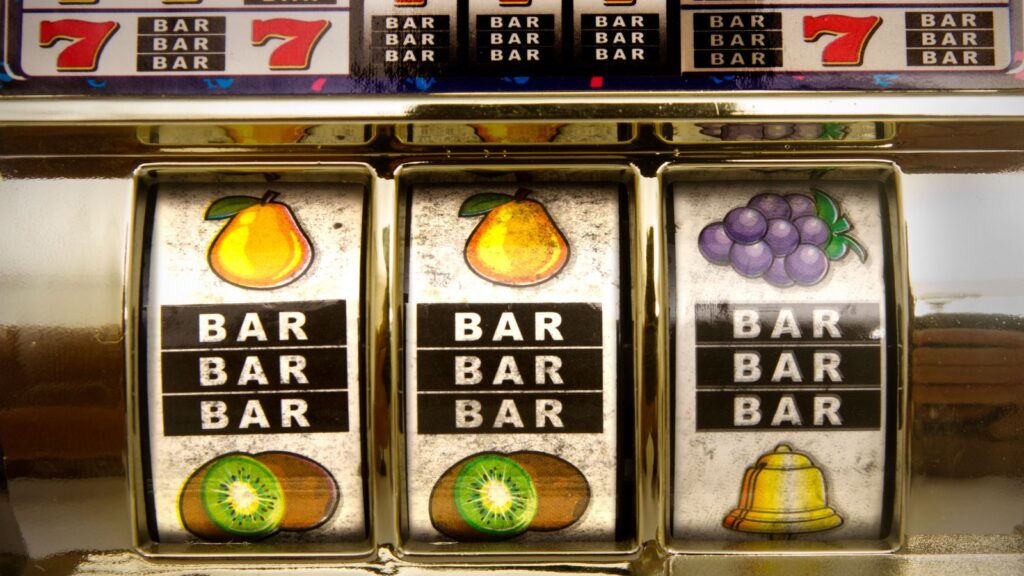
| Simple reel layouts | Early fruit machines | Reduces decision fatigue, encouraging faster and longer play |
The most effective retro slots don’t just look old — they feel old. They replicate the pacing, reward structure, and sensory feedback of games you played as a child, then layer real-money wagering on top. The result is a product that borrows trust from your childhood memories and redirects it toward gambling behavior.
Who This Targets and Why It Works
Retro-themed slots are precision-targeted at specific demographics. Filtering by theme across a slots online NV casino library reveals retro titles positioned to attract both the 35-54 age group that grew up with arcade cabinets and Gen Z players drawn to the vintage aesthetic. According to Pew research, people aged 35 to 54 are the most responsive to retro imagery — the generation that grew up with early home consoles and the first wave of PC gaming. This is also the demographic with the highest disposable income and the strongest emotional attachment to the cultural artifacts of the 1980s and 1990s.
But the reach extends further. Gen Z, despite having no direct experience with the original era, responds powerfully to retro aesthetics. A 2025 study found that 68% of Gen Z consumers say nostalgia makes them feel more positively about a brand, even when they didn’t live through the referenced period. For this generation, retro isn’t memory — it’s aesthetic identity, a curated vibe that signals authenticity and simplicity in contrast to the hyper-polished present.
Slot developers exploit both responses simultaneously. In a lobby full of complex, visually dense games, the simple retro slot feels like a relief. That contrast is itself a marketing tool — the vintage aesthetic stands out precisely because it’s different from everything around it. And relief is a gateway to longer sessions.
What the Odds Actually Look Like
Here’s what retro theming doesn’t change: the math.
- RTP stays the same. Retro slots typically run 94–96% RTP — no different from any other modern slot. The nostalgia premium is in engagement time, not payout structure.
- Volatility is usually low to medium. Retro slots favor frequent small wins that extend sessions, which aligns with the comfort-driven design philosophy. Longer sessions mean more total wagered, which is how the house edge compounds.
- Bonus mechanics are simpler but no more generous. Level-based bonus rounds and cascade features feel rewarding because they mimic game progression, but the underlying payouts follow the same mathematical models as any other slot. Regardless of the theme, every spin is governed by the same RTP and volatility parameters — the nostalgia changes the experience, not the math.
The Awareness That Protects You
Retro-themed slots aren’t dishonest — they’re transparent about their odds and mechanics, just like any other regulated game. But they are specifically designed to make you feel something that has nothing to do with gambling: comfort, warmth, a sense of returning to a simpler time. Recognizing that feeling for what it is — a design strategy, not a genuine connection — is the difference between enjoying the aesthetic and being manipulated by it.