Ever watch hockey and wonder why refs blow whistles for seemingly no reason? Or how long you’re actually committing to watching? Let’s break down hockey’s confusing bits honestly.
How Many Periods in Hockey?
Hockey has three periods, not quarters. Twenty minutes each. That’s 60 minutes of playing time total for regulation.
Why periods instead of quarters like basketball? Tradition mostly. Hockey evolved differently from American sports. Canadian and European influences shaped the format. Three periods just became standard across all professional leagues globally.
Between periods, ice crews resurface the playing surface. Zambonis glide across scraping and smoothing ice. Takes about 15-18 minutes typically. Players rest, coaches adjust strategies, fans grab overpriced beers.
So actual time commitment? Way longer than 60 minutes. Figure roughly 2.5 hours for complete game experience including intermissions, stoppages, potential overtime. Plan accordingly.
Hockey Game Structure:
| Period | Duration | Total Playing Time | Intermission After |
| 1st Period | 20 min | 20 min | 15-18 min break |
| 2nd Period | 20 min | 40 min cumulative | 15-18 min break |
| 3rd Period | 20 min | 60 min total | None (unless OT) |
| Overtime | 5 min (regular) / 20 min (playoff) | 65+ min | Varies by league |
Clock stops frequently during play. Puck goes out, whistle blows, clock stops. Not like soccer where time runs continuously. Creates natural breaks keeping games from dragging endlessly.
How Many Quarters in Hockey?
Zero. Hockey doesn’t use quarters. It’s periods exclusively.
This confuses people coming from basketball or football where quarters divide games. Hockey’s Canadian origins and European influences established different terminology and structure that stuck permanently.
Some youth leagues experiment with shorter periods or different formats. But professional hockey – NHL, international competitions, European leagues – all use three 20-minute periods universally. No exceptions basically.
How Long Is a Hockey Game?
Regulation is 60 minutes of playing time split across three periods. But clock stops constantly, so actual elapsed time stretches way longer.
Average NHL game runs about 2 hours and 20 minutes from opening faceoff to final buzzer. Add pre-game warm-ups, anthem performances, intermission entertainment – you’re looking at roughly 2.5-3 hour commitment attending live.
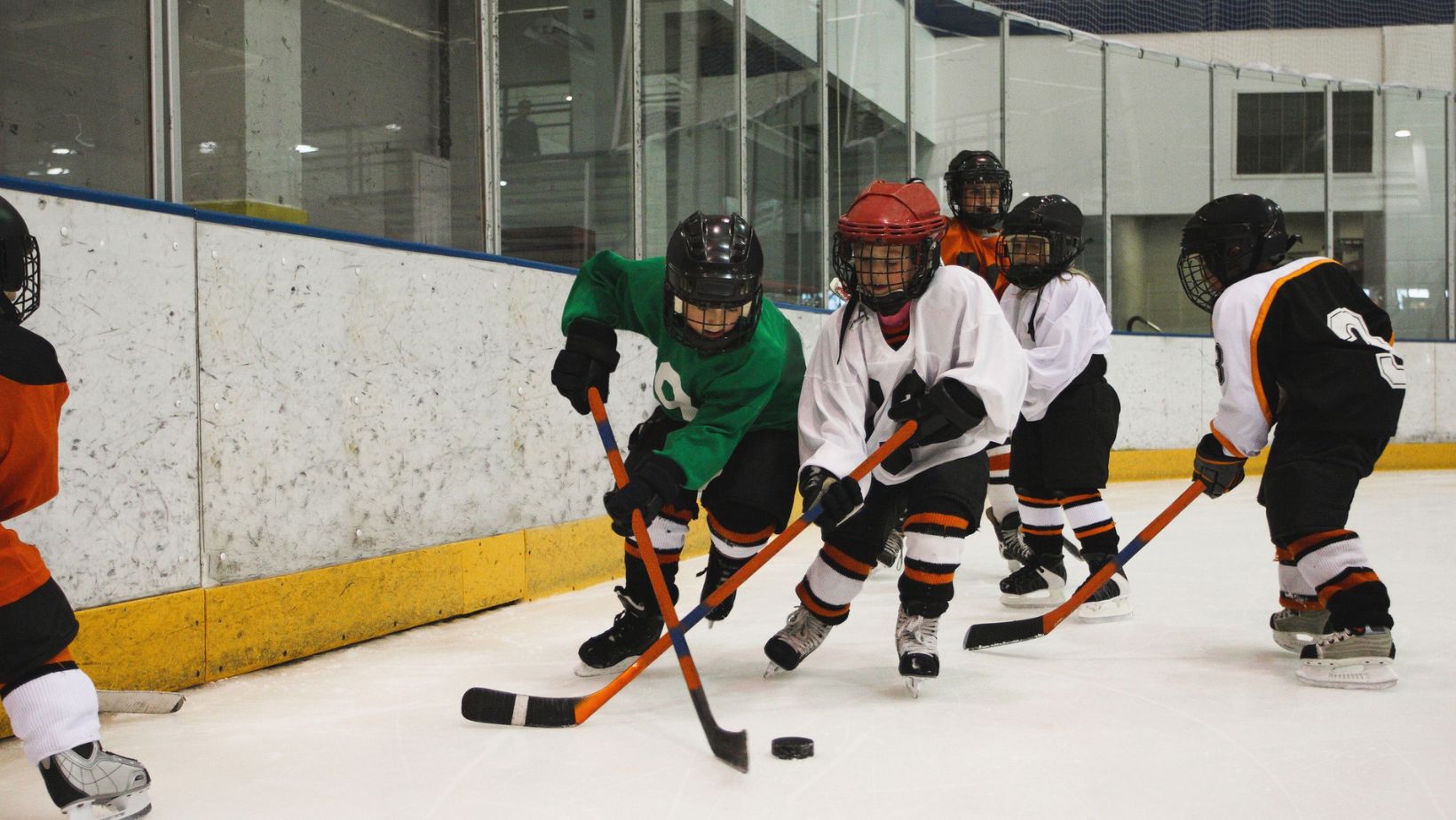
Playoff games take even longer. Overtime rules differ, intensity increases, TV timeouts multiply. Playoff overtime is sudden death – first goal wins. Can extend indefinitely theoretically until someone scores.
Longest NHL game ever? Detroit versus Montreal in 1936 went six overtimes. Started at night, ended after midnight. Players were absolutely exhausted. Modern equipment and conditioning makes such marathons less likely now but still possible.
What Makes Hockey Games Long:
- Clock stops after every whistle, unlike soccer’s running clock creating natural pace
- Intermissions between periods for ice resurfacing take 15-18 minutes each break
- TV timeouts in professional games add commercial breaks throughout periods
- Penalties create power plays requiring strategic adjustments and careful execution
- Replay reviews for disputed goals slow momentum and extend game duration
- Overtime periods in tied games add minimum 5 minutes, potentially much more
Television broadcasts stretch longer with commercials, analysis, replays. Watching on TV versus attending live creates different time experiences honestly.
What Is Icing in Hockey?
Icing happens when player shoots puck from behind center red line across opponent’s goal line without anyone touching it. Ref blows whistle, play stops, faceoff returns to offending team’s defensive zone.
Why penalize this? Prevents teams from just launching puck down ice constantly to kill time or avoid pressure. Without icing rules, games would be boring dump-and-chase festivals with no actual hockey.
There’s nuances though. Icing gets waved off if:
- Team is shorthanded (penalty kill situation)
- Goalie comes out and touches puck first
- Defending player could’ve played puck but didn’t
- Puck goes through crease area in front of goal
“Touch icing” versus “no-touch icing” differs between leagues. NHL uses hybrid system where linesmen determine if defending player would reach puck first. Reduces dangerous races into boards where injuries happen.
Shorthanded teams can ice puck freely. Makes sense – they’re already disadvantaged playing down a man. Letting them clear zone occasionally keeps penalty kills from being completely hopeless.
For hockey enthusiasts seeking entertainment beyond watching games, platforms like db bet casino offer various options complementing the viewing experience.
Understanding Hockey Penalties
Penalties are crucial understanding hockey flow. Minor penalties send players to penalty box for two minutes. Team plays shorthanded – five skaters versus opponent’s six during power play.
Major penalties last five minutes. Fighting usually draws majors. Misconducts are ten minutes but team doesn’t play shorthanded – replacement player fills in.
Power plays shift game dynamics dramatically. Extra attacker creates scoring chances. Teams practice special units specifically for power play and penalty kill situations.
Penalty time affects game length obviously. More penalties mean more stoppages, more strategic timeouts, more opportunities for momentum swings.
Overtime and Shootout Rules
Regular season overtime in NHL is five minutes, three-on-three. Sudden death format – first goal ends game immediately. Opens up ice creating exciting scoring chances with fewer players clogging neutral zone.
If nobody scores in overtime, shootout decides winner. Three shooters per team initially, then sudden death rounds if still tied. Pure skills competition – skater versus goalie, one-on-one.
Playoff overtime is completely different. Full five-on-five, 20-minute periods, sudden death. No shootouts. Play continues indefinitely until someone scores. Creates legendary marathon games occasionally.
International hockey uses different overtime formats. Olympics had shootouts, then switched back to continuous overtime for medal games. Every league tweaks rules slightly based on competitive philosophy and entertainment considerations.
Basic Hockey Rules Beyond Time
Offside stops play when attacking player enters offensive zone before puck crosses blue line. Prevents cherry-picking – camping near opponent’s goal waiting for long passes.
Two-line pass was rule prohibiting passes crossing both blue line and red line. NHL eliminated it years ago, speeding up game considerably. More stretch passes, more breakaways, more excitement.
Goalie interference is controversial call where attacking player makes contact with goalie in crease. Often results in disallowed goals and angry players arguing vehemently.
High-sticking draws penalties when stick rises above shoulder height making contact with opponent. Referees have discretion determining intent – accidental versus deliberate contact gets treated differently.
Why Hockey Uses Three Periods
Historical evolution shaped format. Early hockey games experimented with different structures. Two halves like soccer? Four quarters like basketball? Eventually three periods emerged as optimal balance.
Ice quality matters. Resurfacing twice per game maintains playing surface better than single intermission would. Multiple zamboni runs keep ice smooth, fast, safe throughout competition.
Player fatigue factors in. Hockey is exhausting – constant skating, physical contact, high intensity. Breaking into three segments with substantial breaks allows recovery without diminishing competitive quality.
Television preferences influence decisions too. Two commercial break opportunities (between periods) fit broadcast models effectively. Networks appreciate structured breaks for advertising revenue obviously.
Common Hockey Misconceptions
Some think hockey games are 60 minutes total including intermissions. Wrong. 60 minutes is playing time only. Actual attendance commitment is 2.5+ hours typically.
People confuse icing with offside regularly. Both stop play but for completely different reasons. Icing is about puck crossing goal line from distance. Offside is about player positioning relative to blue line.
Not all hits are legal. Body checking requires specific techniques and positioning. Charging, boarding, hitting from behind all draw penalties despite being physical contact in physical sport.
Fighting isn’t completely legal either. Players get penalized for fighting – usually five-minute majors. But enforcement is inconsistent and fighting remains part of hockey culture controversially.
Different Hockey Leagues
NHL is premier professional league in North America. 32 teams across US and Canada competing for Stanley Cup annually. Highest skill level, biggest salaries, most media attention.
KHL operates in Russia and surrounding countries. Second-highest professional level globally. Some elite European players choose KHL over NHL for various reasons.
International hockey includes Olympics, World Championships, World Juniors. Different rules sometimes – rink dimensions vary, overtime formats differ, physicality gets officiated differently.
College hockey in US follows NCAA rules with slight variations from professional leagues. Junior hockey develops young prospects before they turn professional. Each level has distinct characteristics.
Bottom Line
How many periods in hockey? Three periods of 20 minutes each for 60 total playing time.
How many quarters in hockey? Zero – hockey uses periods, not quarters like basketball or football.
How long is a hockey game? About 2-2.5 hours elapsed time including intermissions and stoppages despite only 60 minutes playing time.
What is icing in hockey? Rule preventing teams from shooting puck length of ice to waste time, resulting in faceoff in offending team’s defensive zone.
Hockey’s structure balances tradition with entertainment considerations. Three periods allow ice maintenance, player recovery, broadcast needs. Format has endured decades because it works effectively.
Understanding these basics makes watching infinitely more enjoyable. Knowing why refs blow whistles, how much time remains, what penalties mean – everything clicks into place eventually. Hockey’s fast-paced, physical, strategic. Once you grasp fundamentals, it’s incredibly compelling sport honestly.