Most betting journeys start with something small. A tap on a screen. A half-second pause. A moment where the user waits to see if the app wakes up cleanly or groans under its own weight. Platforms offering sports betting services know that the first second decides more than the player realizes. Betway and other long-running platforms have learned that if the opening moment feels shaky, the user starts to imagine the rest of the journey will be the same.
Live Data and Odds: The Stream That Cannot Slip
Once the user starts exploring markets or placing live bets, the tech changes pace. Real-time odds don’t appear out of thin air. They move through data feeds, processing layers, and validation checks before landing on the screen in a readable, steady format. Betway puts a lot of work into this pipeline because even a one-second delay can make the odds feel unreliable.
A good sports bet platform keeps these feeds synchronized so the site or app doesn’t show one value while the backend uses another. Users never think about these details when everything aligns. They only notice when a bet feels “late” or a value flickers just as they tap it.
The First Tap: Where Good Tech Already Shows Itself
A smooth start comes from things the user never sees. Cached assets loading quietly, servers handing off traffic so the app does not freeze, and the interface drawing itself in the right order so nothing jumps or flickers. When this works, people barely notice it. When it doesn’t, they feel that uncomfortable hitch right away.
The opening screen is also where the navigation framework does its heavy lifting. Buttons respond instantly because the app keeps key elements preloaded. Menus open without wobbling because the layout doesn’t rely on last-second adjustments. To the user it feels simple. Underneath, dozens of small systems are trying to stay out of the spotlight.
Servers Carry the Weight When Matches Get Busy
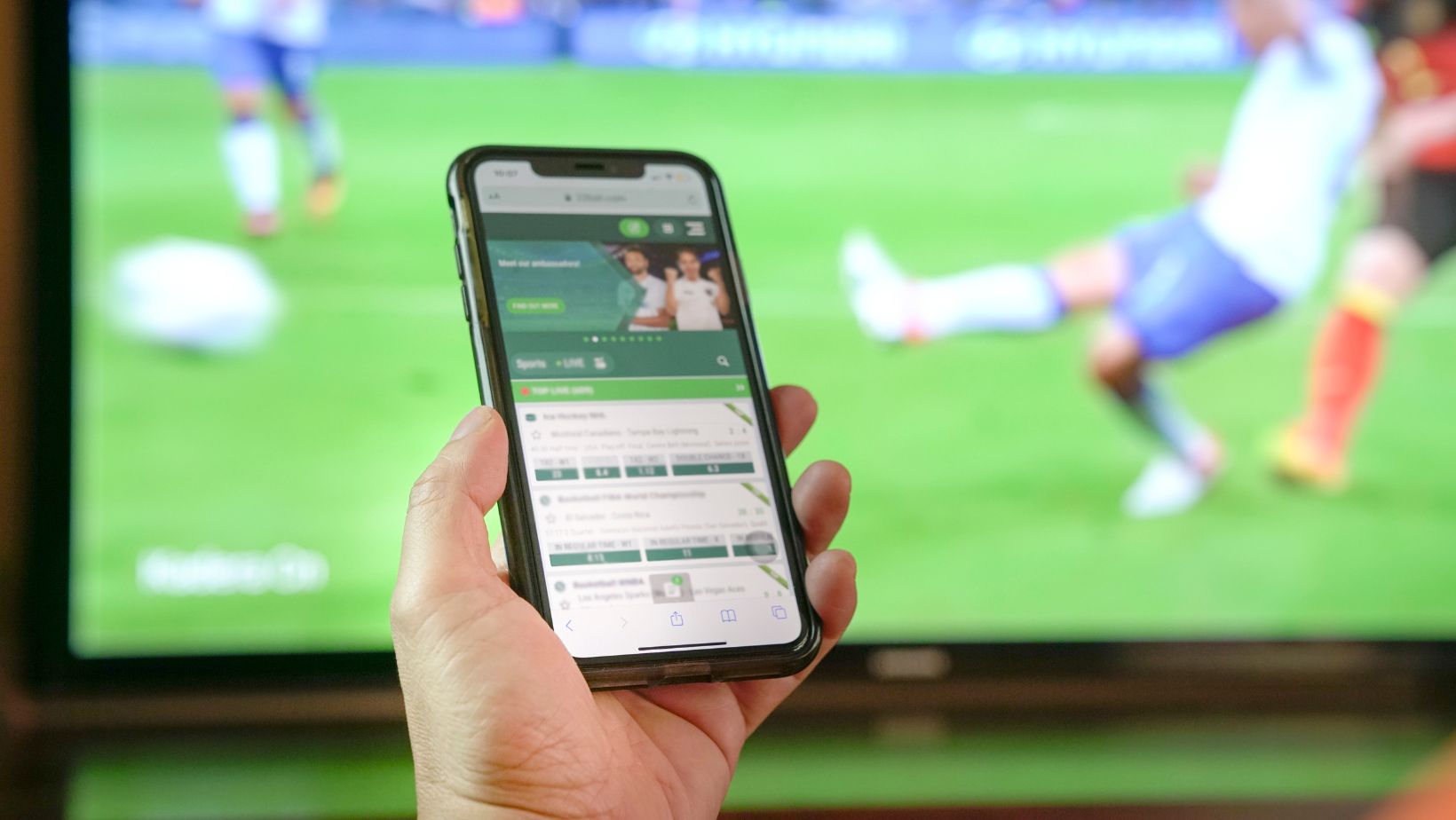
A match heats up, thousands of people join at once, and this is where weak systems fall apart. Solid backend tech spreads the load across multiple servers so the app doesn’t buckle under traffic spikes. Load balancers shift pressure quietly. Session managers keep users logged in even when traffic climbs. None of this feels dramatic, but it is the difference between a platform that breathes comfortably and one that gasps for air. This is also where downtime, or the lack of it, becomes a real measure of quality.
Payments: The Part Users Notice Most
The financial side of the journey is simple on the surface. Deposit. Play. Withdraw. But the systems behind those steps move through gateways, banks, risk checks, ledger updates, and confirmation layers. A deposit appears quickly because the platform pre-validates it before the final confirmation lands. A withdrawal feels predictable because the route never changes.
Strong tech hides all of this. Weak tech exposes every seam.
Where the Whole Journey Comes Together
In the end, a good betting platform feels steady the whole way through. The first tap loads cleanly, the odds refresh without stumbling, the gameplay responds instantly, and the payment steps follow a familiar, reliable path. None of this happens by accident. It comes from tech that refuses to draw attention to itself.
When the structure underneath stays solid, people come back not because of one impressive feature, but because the platform never forces them to think about what might break next.