Hey there. Let’s talk about that magnetic pull, that hum of excitement that draws us into the world of casinos. We’ve all seen the movies, right? The suave gambler in a tuxedo, the flashing lights, the roar of the crowd when someone hits the jackpot. It’s intoxicating, almost magical. But have you ever stopped to wonder what’s really going on inside your head when you’re playing those slot machines or placing a bet at the blackjack table? It’s not just about luck; it’s a carefully orchestrated dance with your own brain chemistry, and frankly, the casino games are usually the ones leading.
We’re going to dive into the nitty-gritty of how those flashing lights and spinning reels tap into our brains, specifically focusing on a little chemical called dopamine. We’ll also look at how the very structure of the games themselves plays a role. And, because it’s important to understand where this knowledge comes from, I’ll be referencing some solid sources like Wikipedia and Investopedia to back up what we’re talking about. Think of this as a friendly, informative chat over a cup of coffee, not a dry lecture.
The Dopamine Dash: Your Brain On “Winning” (And Anticipation!)
Alright, let’s start with the star of the show: dopamine. You’ve probably heard of it. It’s often called the “feel-good” neurotransmitter, and it’s absolutely central to how casino games hook us. But it’s a bit more nuanced than just a simple “happy chemical.” Dopamine is actually more about motivation, reward prediction, and seeking behavior.
When you’re about to play a slot machine or high roller bonus casinos Canada, just the anticipation can get your dopamine levels rising. That’s your brain saying, “Hey, something potentially rewarding is about to happen!” It’s the thrill of the unknown, the possibility of a big win. This anticipation is a powerful motivator in itself. Then, the reels start spinning. Even before they stop, your dopamine system is already engaged. And when those symbols line up in a winning combination? Boom! A surge of dopamine floods your brain, creating a feeling of pleasure and reinforcing the behavior that led to the reward – playing the slot machine.
But here’s where it gets tricky. It’s not just the wins that trigger dopamine. Near misses also play a huge role. You know, those times when you’re so close to hitting that jackpot – maybe two out of three symbols line up perfectly, and the third one is just one notch off? Your brain, in its quest for reward, can interpret that near miss as a signal that a win is imminent. This can actually trigger a dopamine release, making you feel like you’re closer to winning, even though you’ve just lost. It’s a sneaky tactic that keeps you spinning, hoping that the next near miss will finally be the real deal.
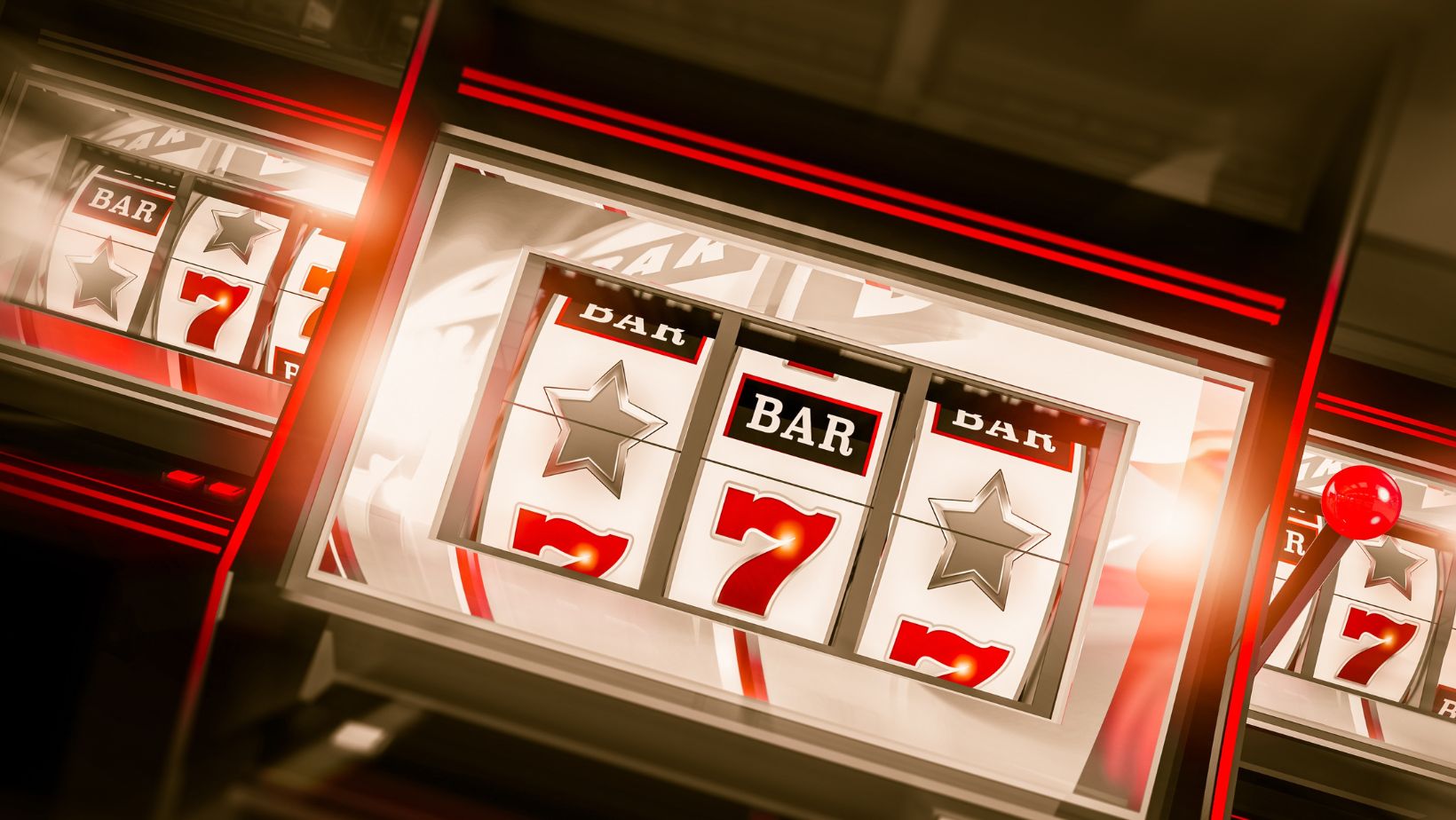
As Wikipedia puts it, “Dopamine is involved in the brain’s reward and pleasure centers, and plays a role in motivation and learning. In the context of gambling, dopamine is released not only when a person wins, but also in anticipation of winning or in response to cues associated with gambling.” This highlights that it’s not just the outcome, but the whole process – the anticipation, the visual and auditory cues, and even the near misses – that light up our dopamine pathways. Think about it like this: Dopamine isn’t just about the delicious slice of cake; it’s also about the excitement you feel when you see the cake being brought out, or the satisfaction of finding the perfect recipe. Casino games are masters at providing all those rewarding stimuli, not just the final “win.”
The Illusion Of Control: Why We Think We Can Beat the System
Another powerful psychological trick casinos employ is the illusion of control. We, as humans, like to feel like we have agency, that we can influence outcomes. This is why some gamblers develop superstitions, follow specific betting patterns, or believe they can “read” the machines.
Think about it:
- Slot Machines
Even though they are driven by Random Number Generators (RNGs), people often develop rituals. They might press the button in a certain way, use a favorite coin, or sit in a “lucky” spot. These actions, however meaningless to the RNG, can create a feeling of control for the player.
- Table Games
Blackjack players might believe they can influence the cards by how they “hit” or “stand.” Craps players might blow on the dice or use a specific throwing technique.
Investopedia explains this phenomenon in the context of gambling psychology: “The illusion of control is a cognitive bias where individuals believe they have an influence over events that are actually determined by chance. This bias can lead to overconfidence and riskier gambling behavior.” This means we might take bigger risks or persist longer than we should because we feel like we have a system or a hunch, when in reality, the odds are still firmly against us. This illusion is amplified by the casino environment itself. The sounds, the lights, the visible wins of others – it all contributes to an atmosphere where it feels like winning is constant and within reach.
Conclusion: Enjoy The Sparkle, But Don’t Get Lost In The Glare
Casino games are engineered to be engaging, thrilling, and yes, even a little addictive. They tap into fundamental aspects of our brain chemistry, particularly dopamine, creating powerful reward pathways that can be hard to resist. The anticipation, the near misses, the intermittent reinforcement, and the environmental design all conspire to keep us playing. Understanding this science isn’t about spoiling the fun; it’s about empowering yourself. By recognizing how casino games work on your brain, you can approach them with a more informed perspective. The key to a perfect casino travel experience lies in the balance: enjoying the excitement and luxury, while maintaining control over your budget, your time, and your well-being.