Have you ever noticed how some prices in Washington, D.C. jump before anyone around you even starts talking about inflation? It’s strange.
You’re walking past a corner store, the same shelves, the same hum from the coolers, and suddenly things cost more. Or less. Sometimes it feels random—like there’s some invisible hand tweaking numbers behind the scenes.
That invisible hand is often forex. And once you see how it works, you can’t unsee it.
So, let’s unpack what forex actually is, why currency shifts hit major economic hubs faster, and how ordinary people end up touching this massive market without even realizing it.
Forex Demystified?
Forex—short for “foreign exchange”—is the global marketplace where currencies are traded. It’s huge. We’re talking $7.5 trillion traded every single day (BIS, 2022). That number still catches people off guard, like someone accidentally added too many zeroes.
But the heart of it is simple: currencies have to be swapped constantly because countries trade, companies import and export goods, travelers move, and banks balance accounts. You might picture those noisy trading floors from old movies, but honestly, most forex trading today happens electronically. Quiet rooms. Screens. Algorithmic pulses. Not a lot of shouting.
And every time currencies shift—even by a tiny fraction—it sets off a chain reaction that eventually reaches consumers.
How Forex Price Moves Happen in Real Time
If there’s one thing people misunderstand, it’s how fast this market reacts. Blink-level fast. A policy comment, a surprising inflation print, even a shift in risk appetite overseas—all of it moves currencies long before the public even hears the news.
The Basic Mechanics of Currency Swapping
At its core, forex is about exchanging one currency for another at an agreed price. If you’ve ever traveled and swapped dollars for euros, you’ve basically done a micro-version of what institutions do billions of dollars at a time.
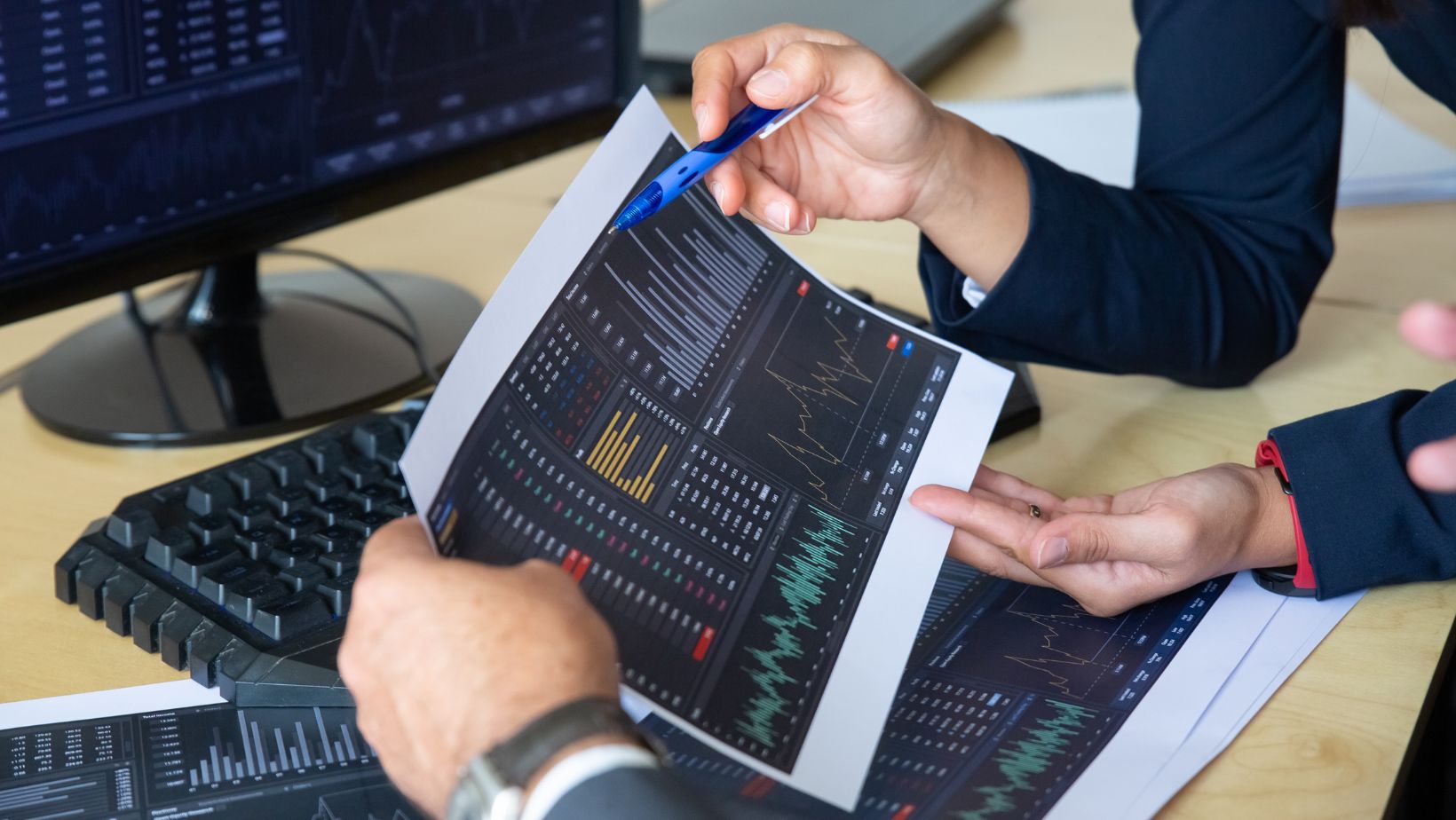
Except they don’t walk up to a counter—they use liquidity pools spread across banks, brokers, automated market makers, and trading networks that span London, New York, Singapore, and Tokyo. Because forex runs 24 hours a day, five days a week, the price you see at noon in D.C. might be influenced by what happened overnight in Asia.
Interest Rates, Policy Shifts & Money Supply
Here’s the part that really accelerates everything:
- Higher interest rates? Currency might strengthen because investors chase returns.
- Rising inflation? Currency can weaken because its buying power erodes.
- Unexpected policy messaging? Traders react instantly, sometimes violently.
In 2022 and 2023, when the Federal Reserve hiked rates aggressively to fight inflation, the U.S. dollar surged to multi-decade highs. You felt it if you bought anything imported. And if you didn’t, well… you still felt it indirectly. That’s the nature of forex.
Why “D.C. Prices” (or Big-Currency Zones) Shift More Than You Expect
It sounds strange, doesn’t it? The idea that what happens in global currency markets could nudge your local prices. But D.C. isn’t “just” a city — it’s the gravitational center of USD policy.
And that comes with consequences.
When expectations change — a rumored rate hike, a surprise inflation print, a Treasury announcement — the dollar adjusts. A stronger dollar can make imports cheaper. A weaker one can quietly raise costs across the board. Most people never connect those dots.
You probably wouldn’t unless someone pointed them out. Still, a few forces explain why big-currency regions like D.C. feel these changes first:
- Domination of USD in transactions: The U.S. dollar appears in 88% of all forex trades, which means global demand constantly pushes and pulls on it.
- Major trading hubs & time zones: London, New York, Singapore—they overlap enough that USD gets repriced practically around the clock.
- Speculative behavior + institutional flows: Hedge funds and banks move massive amounts of currency, sometimes reacting to each other more than to actual data.
- Policy surprises or central bank moves: A single unexpected decision from the Federal Reserve can send the USD up or down within minutes. Minutes.
How People Like You & Me Engage with Forex
Most ordinary folks don’t stare at exchange rate charts. Totally fair. But we brush up against forex more than we realize—sometimes daily.
- You do it when you buy imported groceries.
- When you shop online from overseas brands.
- When fuel prices shift because crude oil is priced in USD.
- When airlines reprice tickets.
- When tech products jump because manufacturers adjust for currency swings.
And yes, some people do take the next step and actually trade. Platforms like Axi let you explore FX trading in ways that are transparent, intuitive, and grounded for non-professionals. It’s not about gambling; it’s about understanding how global money flows, and how it affects your day-to-day life.
Others dabble in forex to hedge their exposure or to understand their financial environment better. Knowledge becomes a kind of shield, even if you never place a trade.
Why It Really Matters (To All of Us)
Here’s the thing: you don’t get to vote on currency movement. Nobody does. Markets do what they do. But you can understand the signals, and that changes how you navigate everything from budgeting to timing purchases.
Forex isn’t just a financial concept; it’s a lens. Once you see it, the economy feels less random. More connected. Less like noise, more like a rhythm you can hear beneath the day’s headlines. And that rhythm shows up in D.C. before most places simply because the dollar is the world’s anchor.
Final Thoughts
Currencies move because the world moves. And the world moves fast. D.C. just feels it first because it sits at the center of the dollar’s gravity field.
The more you understand that quiet dance—between policy, markets, and everyday prices—the easier it becomes to interpret the shifts happening around you. Not perfectly. Nobody does. But enough to see the patterns hiding behind the price tags.