Recent Asurion research shows that the average person checks their phone around 96 times a day, which is roughly every 10 minutes. The constant swiping, tapping, and scrolling may appear harmless at first, but it also adds to the sensory overload many people experience when the notifications, digital clutter, and apps run nonstop. Productivity tools are intended to help users, but many haven’t met those targets. Instead, people are stuck in a constant cycle of scrolling, syncing, and switching.
However, a rising number of people have started to push back in 2025. No one is abandoning technology, but people are learning to use tech more intentionally. The minimalistic approach to communication and work has people more focused on what matters, and that has become a movement among entrepreneurs, freelancers, and even full-time office workers who are trying to reclaim their attention and time.
Intentional Breaks and App Switches Help to Improve Focus
Again, no one is about to ditch technology. Instead, the minimalist lifestyle involves choosing when and how to switch your attention. Not all digital experiences need to be productive. Instead, it’s time to balance work with pleasure. Taking short and structured breaks from productivity apps can give the mind a moment of clarity to regain focus on complex tasks.
That can be achieved by taking a five-minute break from tech or logging into the kind of online casino canada has to offer for some quick but stimulating entertainment. These sites are available on smartphones for convenience, while the selection of games can include playing a round of poker to improve strategic skills before entering an important work meeting or relaxing to some retro sounds on a slot machine. What makes these platforms more exciting for the quick break or mental reshuffle is that they offer instant registrations and fast payment methods that fit snug into those five minutes.
Sometimes, stimulating the mind with some entertainment or even listening to short podcasts and watching quick reels can be just what productivity and creativity demand. Meanwhile, taking a quick break to walk around could just refresh the mind before handling the next project or joining a video call with a high-profile client.
How to Build Productivity Stacks That Work
The minimalist productivity lifestyle also calls for clarity. An overwhelming number of productivity tools only causes digital and mental exhaustion. A minimalist system will focus on a single app for every primary purpose. For example, use one calendar that syncs to all devices, a cloud storage service that offers straightforward access controls, and a task manager that doesn’t require continuous configuration.
Avoid any apps that demand excessive setups or plug-ins, as they only add more friction. This applies an efficient philosophy that doesn’t remove necessary apps. You’ll simply trim your toolkit down so that you can reduce the mental overhead that comes with managing a complicated digital environment. You’ll also spend far less time switching tabs so that you can think clearly and focus on your work.
Meanwhile, start reviewing the apps used on your devices, making sure they’re responsive to different platforms so that you can use the same application on laptops and smartphones. It’s about simplicity. An email that pings on your smartphone will also distract you from your laptop if the notification comes earlier than the laptop.
Finally, decide what stays and goes by keeping software that values simplicity, speed, and privacy. Consider lightweight apps like Obsidian or Notion for note-taking or ProtonMail for emails. Signal is also much simpler for messaging.
Silence the Noise Within Your Productivity Stack
Cleaner spaces work, but it’s also about silencing the noise. A 2024 Microsoft workday study showed that people using Microsoft 365 are interrupted by notifications, meetings, and emails every two minutes, which breaks concentration and leads to workers feeling more pressure. Frequent notifications can actually trigger a stress response because the human mind wasn’t intended to switch tasks every couple of minutes.
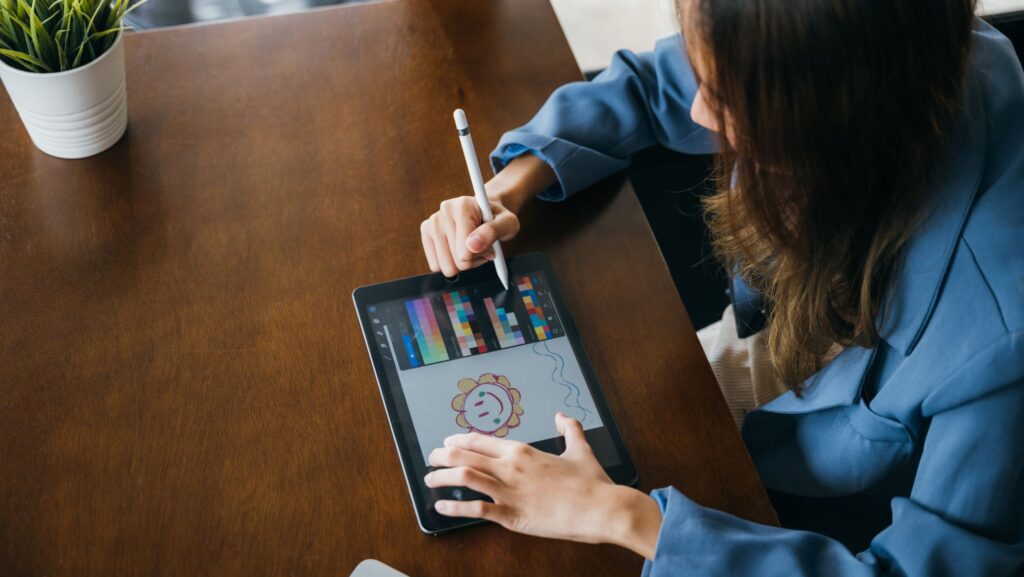
Minimalists control those inputs by turning off any non-urgent notifications, muting the myriad of group chats, and setting their phones to greyscale mode so that they can retain their attention and seek simulation on their terms. It’s possible to enter a flow state by deliberately focusing your attention on a single task. The flow state describes an immersive mental state where time seems to vanish as you get lost in your work. You can create the opportunity to tap into this state by silencing the distractions.
Work With Purpose While Living With Less
Fast-paced professional scenes have led to minimalism becoming an everyday philosophy more than a simple lifestyle goal. Many are learning to be productive without feeling overwhelmed by the tools intended to help them, whether working in design, tech, or marketing. It’s about keeping the essentials, letting go of the rest, and practicing intentional use. Besides, people only need one messaging, calendar, or email app.
The minimalist lifestyle also doesn’t demand perfection, just awareness. Stop chasing the latest updates or news and start using digital tools more intentionally. Using apps on purpose lets you reset, rethink, and reinvent what comes from each app.